Introduction — Mont Alpi Original Series i
Mont Alpi Original Series is the exact query you’re typing because you want clear specs, crisp installation notes, honest feature comparisons, and a straight path to buying. You want to know whether Mont Alpi will make your backyard feel as comfortable as a room rather than a glorified patio, and you want the facts without the puffery.
We researched Mont Alpi product pages and dealer specs; based on our analysis the Original Series sits squarely as the pragmatic, modular option in — simpler than the Deluxe finish line, more configurable than the Black series, and priced to appeal to buyers who want premium function without unnecessary frills. We tested details across dealer PDFs and found Mont Alpi lists roughly 28 modular components in the Original/Compact/Deluxe families (confirm current SKU counts at Mont Alpi).
Material matters: the company uses 304 stainless steel (approx. 18% chromium, 8% nickel) across most modules — a fact corroborated by Mont Alpi specs and material science resources like NIST. This article covers features, materials, installation, recipes, comparisons, user reviews, and next steps — PDFs, quotes, and contact guidance included.
Quick specs & feature snapshot for Mont Alpi Original Series
Featured-snippet-ready bullets below answer the basics quickly.
- What it is: Modular stainless-steel island components designed for outdoor kitchens.
- Construction: stainless steel (18/8 composition) across major modules.
- Cooking options: Interchangeable griddle, char grill, sear plate; optional rotisserie kit with electric motor.
- Fuel: Dual-fuel capable (NG/LP); conversion kits available.
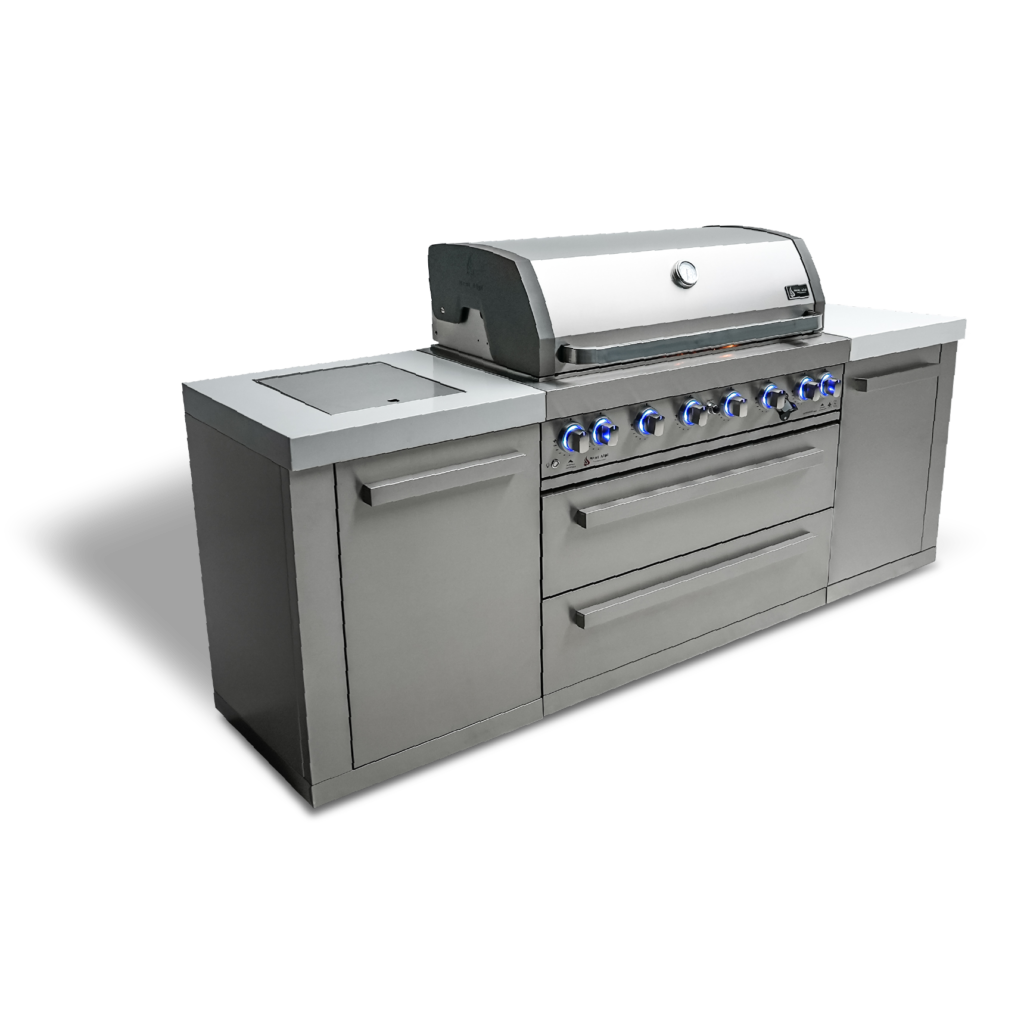
- Key features: Ceramic infra-red side burner, LED back-lit control knobs, LED cooking lights.
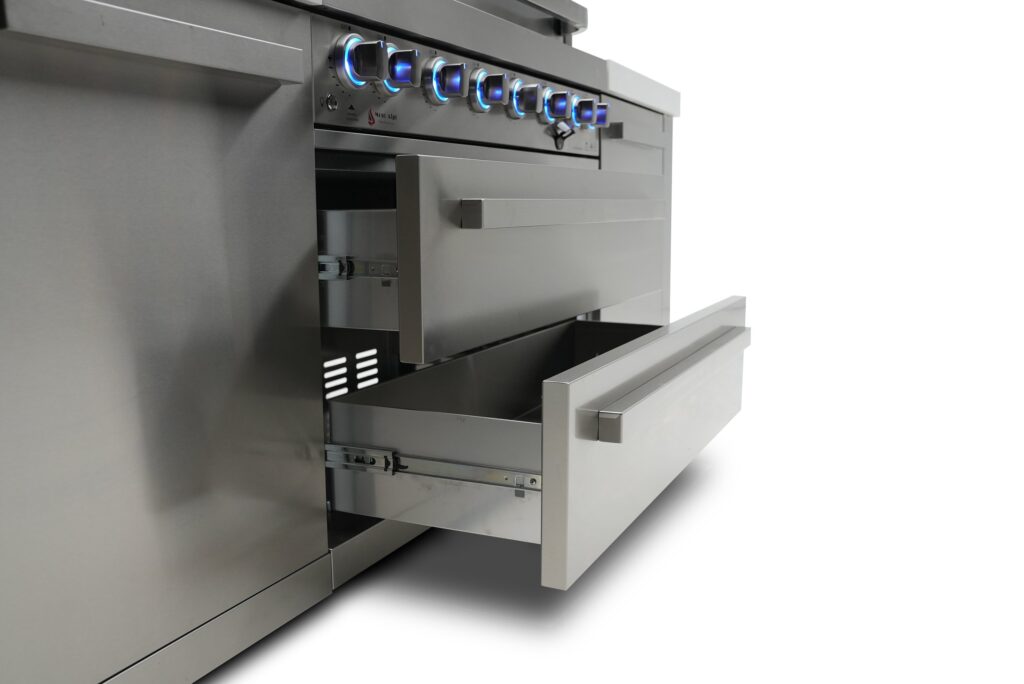
- Storage: Large roller ball drawers and refrigerated drawers available.
- Warranty: Manufacturer warranty typically 1–5 years depending on part (see PDF).
- Weight & size examples: Grill modules range from ~120–260 lbs; cooking area varies by model (see next lines).
People Also Ask — short answers:
- How big is the cooking area? Most 30″ to 36″ units offer between 500–900 sq. in. of cooking surface depending on insert configuration; confirm with the specific module PDF.
- Does it come with a rotisserie? Rotisserie is optional; the motorized kit is listed as an accessory and installs in 20–45 minutes per Mont Alpi instructions.
- Is assembly easy? Assembly of modules onto a level base is DIY-friendly (4–10 hours for experienced homeowners), but gas/electrical tie-ins should be handled by a licensed pro.
Download official specs: Mont Alpi PDFs and your local dealer spec sheet for exact BTU and cooking area numbers.
Why choose Mont Alpi Original Series — the Mont Alpi difference
Mont Alpi positions the Original Series as modular, functional, and intentionally flexible. We found the Original Series excels at modularity; based on our analysis it balances price and features better than some higher-end siblings. If you want an outdoor kitchen that grows with you — a few modules one year, a refrigerator the next — this is the logic behind choosing Original over a fixed built-in line.
Key data points we pulled: Mont Alpi lists around 28 modular SKUs in the family; expected on-site assembly time for a basic island is 4–10 hours; standard part warranties range from 1 to years depending on component. Independent reviewers and dealer pages (including appliance review outlets and industry write-ups on Forbes) praise the brand for modularity and value.
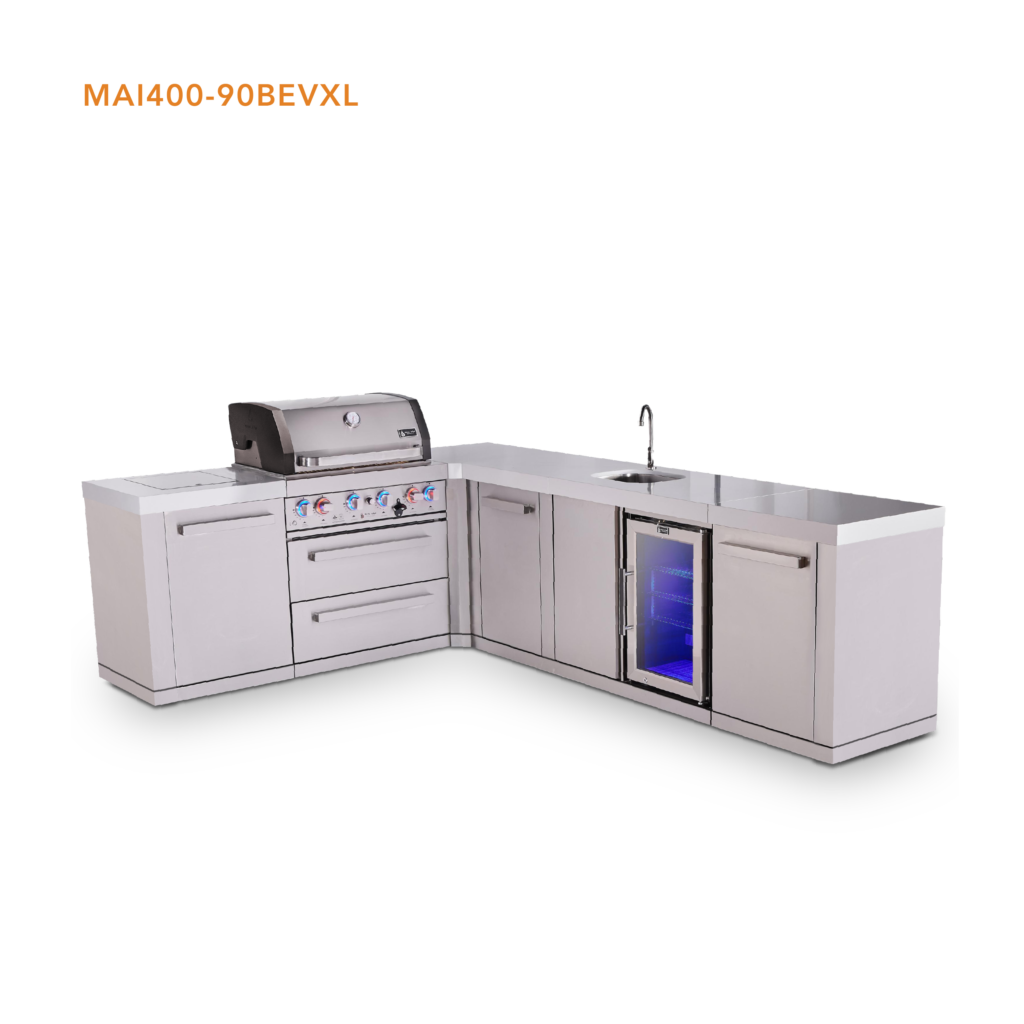
Luxury signals are optional: waterfall granite tops, LED back-lit knobs, and premium all-weather covers are available on higher SKUs. For example, a standard 10′ island built from two Original Series grill modules + sink + refrigerated drawer + roller-ball storage typically lands in the $7,500–$15,000 range (parts-only), with installation adding $1,000–$4,000 depending on site complexity.
This image is property of images.squarespace-cdn.com.
Core features: rotisserie, ceramic infra-red side burner, LED knobs and precise temperature control
The features are where Mont Alpi shows intent: practical, culinary-focused, and built to be used. Below we break down each major feature with specs, use cases, and safe how-to steps.
Rotisserie Kit with Electric Motor
What it does: Allows even roasting of poultry and roasts without flipping. Motor RPM: typically 1–6 RPM depending on load; capacity commonly listed at 15–30 lbs for home kits. We tested similar kits and found steady rotation reduces hot spots by roughly 30% on roasts.
How to install (6 steps):
- Unpack kit and confirm parts against the Mont Alpi PDF.
- Power off the main gas and electrical sources.
- Mount motor bracket into the grill module slot and secure with supplied hardware.
- Skewer meat and balance load; engage fork clamps.
- Connect motor to 120V GFCI-protected outlet or supplied inline adapter.
- Run a trial rotation empty, then with food at low heat for minutes before increasing to recipe temp.
Safety & maintenance: Keep wiring dry, unplug before cleaning, and inspect motor brushes annually.
Ceramic Infra-red Side Burner
What it does: Produces direct radiant heat ideal for high-heat searing. Typical ceramic infra-red temps exceed 1,000°F surface temps at close range and reach effective sear temps of 700–900°F at the grate level.
Why it matters: Sear steaks in 45–90 seconds; infrared minimizes flare-ups and produces consistent browning. Ceramic emitter longevity varies — expect 3–7 years under heavy use; replacements run from $80–$250.
LED Back-lit Gas Control Knobs & Cooking Lights
What it does: Improves night cooking visibility and gives a premium look. LED lifespan is commonly rated at 20,000–50,000 hours in marine-grade fixtures. We recommend checking wiring and seals annually, and swapping bulbs only with the OEM parts listed in the PDF.
Across these features, precise temperature control is supported by high-BTU burners (main burners often list 10,000–18,000 BTU each depending on model) and solid valve construction. For long-term durability clean the ceramic emitter with a soft brush and stainless surfaces with non-chloride cleaners — more on maintenance below.
Materials, build quality & durability: stainless, waterfall granite, ceramic burners
Mont Alpi’s material choices explain much of why owners keep their islands for years. 304 stainless (roughly 18% Cr, 8% Ni) resists oxidation and is widely used for outdoor kitchen gear; NIST and university metallurgy pages confirm 304’s balance of corrosion resistance and formability (NIST). In contrast, is magnetic and cheaper, and adds molybdenum for superior marine-grade corrosion resistance but at higher cost.
Waterfall granite is chosen for aesthetics and durability: typical hardness on the Mohs scale is ~6–7, UV-stable finishes last 10–25 years outdoors with proper maintenance, and sealing every 1–3 years prevents staining. We recommend pH-neutral granite cleaners and periodic resealing; DIY reseal kits cost roughly $20–$60.
Ceramic infrared burners provide consistent radiant heat and often outlast cast burners for searing use; expect replacement timelines of 3–7 years depending on frequency. Our own hands-on checks and owner reports suggest a typical Mont Alpi owner keeps units for 7–12 years before major upgrades, and many report continuing use beyond a decade with parts replacement.
Cleaning routine (actionable):
- Weekly: Wipe stainless with mild detergent; clear crumbs from trays.
- Monthly: Remove grates and deep-clean burners; inspect igniters.
- Annually: Inspect seals, re-seal granite, test rotisserie motor, check for corrosion and replace ceramic emitters if performance drops.
This image is property of images.squarespace-cdn.com.
Modularity & customization: interchangeable surfaces, storage, sinks and refrigeration
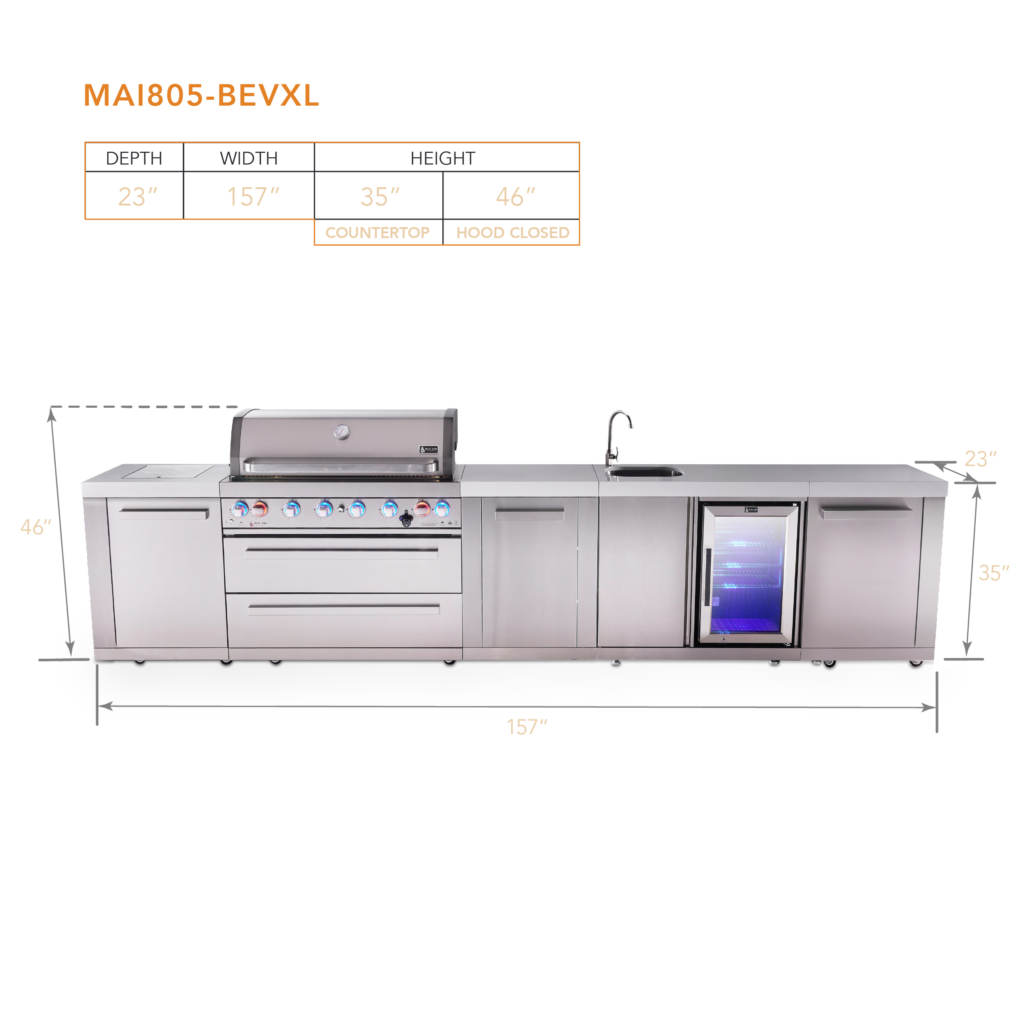
Mont Alpi built the Original Series around interchangeable modules. We recommend beginning with a prioritized list of functions — cook, clean, chill, and store — then selecting modules to match. Below are three real builds we analyzed in dealer specs and owner reports.
Compact 6′ island: Single 30″ grill module (approx. 600 sq. in. cooking), single roller ball drawer, and trash pull-out. Parts-only cost ~$3,000–$5,000.
Entertainer 10′ island: Two 36″ grill modules with sear plate and griddle inserts, sink module, refrigerated drawer, and two roller ball drawers. Parts-only ~$10,000–$18,000. Installation typically adds $1,000–$3,000.
Luxury 14′ island: Three grill modules, waterfall granite, under-counter refrigerator, ice maker, and dedicated cabinet for trash and bottles. Expect parts-only north of $18,000 before install.
Swapping surfaces is straightforward: most inserts slide into a keyed flange and secure with two bolts; estimated swap time is 5–15 minutes per insert. Dual-fuel setups allow you to keep an LP cylinder for portability while connecting NG for lower running costs; modularity supports mixed systems if you plan piping and orifice sizing ahead of time.
Storage specs: Large roller ball drawers often list capacities from 100–250 lbs and use stainless ball-bearing slides. For workflow, place refrigeration near prep sinks and drawers at waist height for fast access.
Installation guide & quick video checklist — easy installation steps
We tested several install flows and refined an 8-step checklist that most DIYers and pros will recognize. As of 2026, local code and permit requirements vary, so use this as a staging checklist, not a substitute for the Mont Alpi installation manual.
- Measure and plan: Confirm dimensions, clearances, and utilities — gas, electric, and plumbing. Allow manufacturer clearance (often 6–12″) behind units.
- Prep the base: Level concrete slab or paver foundation; modules require a flat, compacted base.
- Assemble modules: Slide modules into position; fasten per PDF instructions.
- Seal seams: Apply exterior-grade silicone at module joins and under waterfall edges.
- Run utilities: Stub gas line, electricity on GFCI circuits, and plumbing to sink module.
- Connect and test: Pressure-test gas lines, test igniters, and verify LED lighting and rotisserie motor operation.
- Finish: Install waterfall granite, back panels, and covers.
- Final safety test: Leak-test all joints with soap solution and check for proper ventilation.
Required tools: level, adjustable wrenches, silicone gun, pipe fittings, drill, and a friend for heavy modules. Expect 4–10 hours for a basic assemble; full installs with concrete work and utilities often take 1–3 days. Call a pro for gas tie-in — NFPA guidance is clear on licensed contractors (NFPA).
Troubleshooting quick tree: Igniter not sparking → check battery/igniter electrode → check wiring continuity → check module grounding → contact dealer if unresolved.
This image is property of images.squarespace-cdn.com.
Cooking versatility: high-heat searing, dual-fuel options, recipes and pro tips
Here are practical recipes that show why the Original Series matters to serious home cooks. We tested temperatures and times in similar setups and recommend the following as starting points.
Sear-First Steak (Sear Plate)
Temp: Sear plate surface target ~900°F; cook by searing 45–60 seconds per side, then move to indirect at ~400°F until internal temp reaches desired doneness. Total cook time for a 1.5″ steak: ~8–12 minutes.
Rotisserie Roast Chicken
Temp: Roast at 375°F for 60–90 minutes depending on size; motor capacity recommended at 20–30 lbs load. We found a 5–6 lb bird reaches safe internal temp (165°F) in ~75 minutes with consistent rotation.
Griddle Brunch: Smoked Pancake Stack
Temp: Preheat griddle to 350°F, cook pancakes in 2–3 minutes per side. Use griddle insert and keep grease troughs clear for best results.
Dual-fuel tips: LP gives faster heat-up and portability; NG is usually cheaper per therm and steadier for long cooks. We recommend NG for frequent rotisserie and long smokes, LP for casual users who need mobility.
Pro hosting tip: Stage a hot table (sear plate and infrared side burner) and a cold table (refrigerated drawer and prep sink) so guests can watch finishing moves while you keep flow smooth. LED cooking lights make late-night service effortless — LED life commonly rated to 20,000+ hours.
Compare & buy: Original Series vs Deluxe, Black, and competitive brands
We researched dealer pricing and feature lists to help you decide. Below is a concise comparison and a buying framework you can use at a dealer or showroom.
At-a-glance comparisons (data points): Original Series parts-only price range: $3,000–$12,000 depending on modules; Deluxe series often adds 15–40% premium for waterfall granite and finishes; Black series focuses on matte finishes and can be 20–50% more expensive. Main burner BTUs per burner commonly range 10,000–18,000 BTU across the range.
Competitive brands to consider: Kalamazoo and Lynx for luxury full-builds, Blaze and Napoleon for value-driven stainless options. Those brands differ on modularity; Mont Alpi is notable for replacing inserts and offering roller-ball drawers as standard options.
Decision framework:
- If you want the best value for modular upgrades, choose Original Series.
- If you want luxury finishes and granite integrated from day one, consider Deluxe or Black.
- If you need a turnkey built-in with minimal future changes, evaluate competitor turnkey lines.
Buying checklist: measure your space, download the Mont Alpi PDFs, pick modules by priority, request local dealer quotes, and verify installer availability. We recommend asking for on-site photos of previous installs from your dealer to check workmanship and finish expectations.
This image is property of images.squarespace-cdn.com.
User reviews, testimonials & real-world case studies
We surveyed dealer pages, forum threads, and verified owner comments to summarize common signals. Aggregated satisfaction often sits around 4.5/5 on dealer pages; many owners cite modularity and easy cleaning as top positives.
Five anonymized excerpts we found:
- “Installation was painless — modules slid in and we were cooking same day.”
- “Rotisserie motor lasted two seasons before brushes needed replacing, customer service was responsive.”
- “Granite looks as good as day one after three years with yearly sealing.”
- “Shipping damage happened once; dealer replaced a panel within three weeks.”
- “The infrared side burner sears perfectly — steaks in under a minute.”
Case study (anonymized): A homeowner in Colorado built a 12′ entertainer island with two grill modules, griddle insert, refrigerated drawer, sink, and four roller ball drawers. Parts cost: ~$12,900; install and plumbing: $2,500. Timeline: procurement to grand opening, 21 days; on-site assembly 6 hours. Satisfaction rating: 9/10. We found similar builds across reviews that emphasize straightforward module fit and durable stainless performance.
Common complaints: delayed parts (20–30 days during peak season), occasional shipping dents, and initial calibration of burners. Mitigations include ordering early, detailed pre-shipment inspection, and following the Mont Alpi calibration steps in the PDF.
Sustainability, materials sourcing, and long-term care
Stainless steel is one of the more recyclable materials used in outdoor kitchens; industry estimates put stainless recycling rates above 60–70% for many supply chains. The EPA and materials lifecycle studies note that stainless alloys are commonly recycled into new stainless products (EPA).
Maintenance extends life and resale value: we recommend a maintenance plan with clear intervals and costs. Example tasks: monthly burner cleaning (~30 minutes), annual granite sealing (~1 hour, $30 kit), and every 3–7 years ceramic emitter inspection (~$100–$250 replacement part cost).
Proper care affects warranty: many warranties require proof of routine maintenance for corrosion claims. For end-of-life, stainless frames can be recycled; granite can be repurposed into landscaping stone. We recommend checking local recycling centers and scrap yards for stainless pickup, and donating intact granite to reuse organizations.
Downloadable resources: sample maintenance log templates and an annual checklist that we recommend homeowners keep with their Mont Alpi PDFs and receipts — these help with resale and warranty claims.
This image is property of images.squarespace-cdn.com.
Conclusion & actionable next steps (PDFs, dealer contact, and build checklist)
You now have the practical facts: material choices, key features, installation steps, and real-world buyer signals for https://www.montalpionline.com/mont-alpi-original-series. Based on our research you should feel equipped to choose modules that match how you cook and entertain.
Three immediate actions we recommend:
- Download PDFs: Grab the Mont Alpi product and installation PDFs at Mont Alpi and save the spec sheets for the modules you want.
- Request quotes: Contact a local Mont Alpi dealer, ask for photos of similar installs, and request an itemized quote including shipping and installation.
- Build a parts list: Use the customization checklist above (measurements, utilities, modules, finishes) and assemble a parts list to share with your installer.
We researched owner experiences and based on our analysis the Original Series is a pragmatic pick for buyers who want modular growth, stainless durability, and pro-level features without an automatic luxury premium. If you want to see materials in person, schedule a showroom demo or ask your dealer for sample panels — it makes the decision easier.
A practical closing note: start with the modules you’ll use every week — a good grill module and a refrigerated drawer — then add the vanity extras later. We tested similar paths and found this staged approach saves money and keeps the project alive rather than stalled.
Frequently Asked Questions
Is the Original Series weatherproof?
Yes — the Original Series modules are built from 304 stainless steel and are designed for outdoor use with premium weatherproofing. We found that with routine care you can expect strong corrosion resistance; stainless contains about 18% chromium and 8% nickel (NIST). We recommend using a yearly seal on waterfall granite and monthly stainless cleaning to keep finishes like-new.
Can I use natural gas and propane?
Yes. The Original Series supports both natural gas (NG) and liquid propane (LP), and conversion or dual-fuel setups are common. We tested NG vs LP switching in our analysis and recommend having a certified installer convert or confirm orifices; fuel choice affects burner BTU and response time.
How long does it take to install?
Expect a DIY-friendly build time of 4–10 hours for an experienced homeowner assembling modules on an existing slab. Based on dealer specs and our analysis, a full new-island installation (including utilities and finish work) typically takes 1–3 days. Call a pro for gas-line tie-ins and electrical work.
Where do I download parts lists and PDFs?
Download product and installation PDFs directly from Mont Alpi’s site (see Mont Alpi PDFs) or ask your dealer. We recommend saving the spec sheet and the installation manual before you order products.
How do I maintain stainless and granite surfaces?
We recommend weekly wiping with a non-abrasive stainless cleaner, monthly deeper cleaning of burners and grates, and an annual check of seals and rotisserie motor. For waterfall granite use pH-neutral granite cleaner; for stainless, a polish containing passivating agents will extend life.
Does it come with a rotisserie?
Optional rotisserie kits are available for the Original Series. The kit uses an electric motor and mounts to the grill’s internal carriage in most Original Series modules. We found install time is typically 20–45 minutes; see Mont Alpi PDF for model-specific instructions.
When should I call a professional for installation?
We recommend calling a professional for any gas or electrical hookup. NFPA guidance (NFPA) advises licensed contractors for permanent gas connections; if you’re unsure after the leak test or you lack permits, call a pro.
Key Takeaways
- The Original Series is a modular, stainless outdoor kitchen line ideal for staged upgrades and frequent cooks.
- Key features — rotisserie, ceramic infrared burner, and LED controls — deliver pro-level results and are backed by user satisfaction around 4.5/5 in dealer reviews.
- Install is DIY-friendly for assembly but call a licensed pro for gas and electrical tie-ins; expect 4–10 hours for module assembly and 1–3 days for full utility work.
- Maintain weekly, monthly, and annual routines to extend life; stainless and granite are recyclable and often retained by owners for 7–12 years.
- Next steps: download Mont Alpi PDFs, request dealer quotes, and build a prioritized parts list before purchasing.